Introduction
Osteoporosis is a condition where bones become weak and break easily. Many people do not know they have it until a bone breaks. Understanding the causes of osteoporosis is important for everyone. If you know what leads to bone loss, you can take steps to protect your health. In this blog, we will explain what osteoporosis is, discuss its main causes, and share tips for preventing osteoporosis naturally. We will also cover osteoporosis risk factors and when to see a doctor.
What is Osteoporosis?
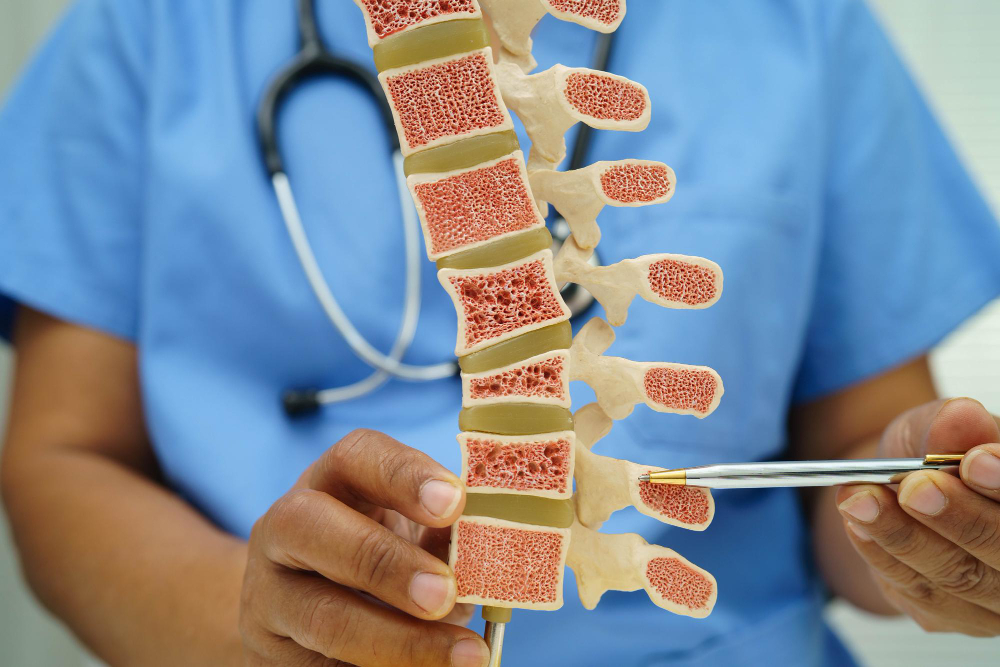
Osteoporosis means “porous bone.” This condition makes bones thin and fragile. As a result, even a small fall or bump can cause a fracture. Most often, osteoporosis affects the hips, spine, and wrists. Because it develops slowly, many people do not notice symptoms until a bone breaks. For this reason, bone health causes concern for many adults, especially as they age. According to the World Health Organization (WHO), osteoporosis is a major public health issue worldwide.
Major Causes of Osteoporosis
Several factors can lead to osteoporosis. Below are the most common causes:
Because many causes are linked, it is important to know your personal risk factors.
Risk Factors and Who is at Risk?
Some people have a higher chance of developing osteoporosis. For example, women over 50 are at greater risk, especially after menopause. However, men can also get osteoporosis. Other osteoporosis risk factors include:
Knowing these risk factors can help you take action early. The Centers for Disease Control and Prevention (CDC) notes that early steps can make a big difference.
How to Reduce Your Risk
Although you cannot change your age or family history, you can lower your risk in other ways. Here are some tips for preventing osteoporosis naturally:
Because small changes add up, starting early can help keep your bones strong for life.
When to See a Doctor
If you have risk factors or notice height loss, back pain, or a broken bone, see a doctor soon. Early testing can find osteoporosis before a fracture happens. In addition, an orthopedic specialist can give you advice tailored to your needs. Remember, protecting your bones now can prevent problems later.
Consult an orthopedic specialist at Sri Lakshmi Hospital to assess your risk and get personalized advice on bone health.