
Introduction
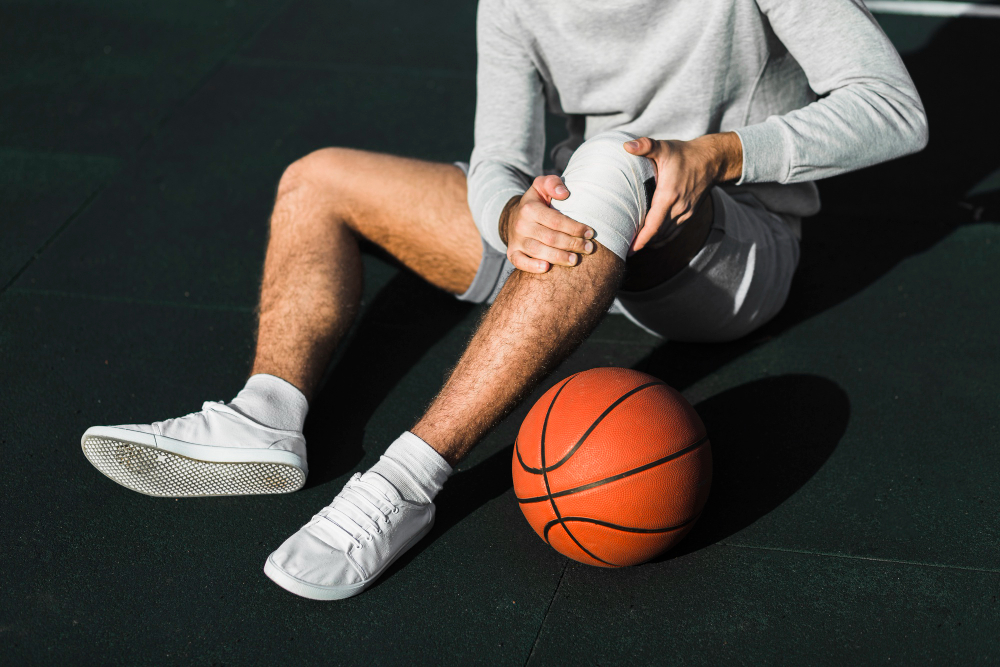
Sports injuries are common among people of all ages. Whether you play sports for fun or compete professionally, you may face an injury at some point. In fact, sports injuries can affect muscles, bones, and joints. They can also impact your daily life and activities. According to the CDC, millions of people visit doctors each year for sports injuries. Because of this, it is important to know the symptoms, causes, and ways to prevent them. This guide will help you understand sports injuries and how to manage them.
Common Symptoms of Sports Injuries
Recognizing sports injury symptoms early can help you get the right treatment. Often, symptoms appear soon after the injury. However, some may develop over time. Here are common signs to watch for:
Sometimes, symptoms can be mild. But, if you notice severe pain or cannot move the joint, seek medical help right away.
Causes and Risk Factors
Sports injuries can happen for many reasons. Often, they occur during exercise, training, or games. But, some people are more at risk than others. Here are common causes and risk factors:
Additionally, children and teens are more likely to get injured because their bodies are still growing. Older adults may also face higher risks due to weaker bones and joints.
Diagnosis of Sports Injuries
Early diagnosis is key to proper treatment for sports injuries. Usually, doctors start with a physical exam. They may ask about how the injury happened and your symptoms. Next, they might use tests such as:
Sometimes, doctors may order blood tests to rule out infection. With the right diagnosis, you can begin the best treatment plan.
Treatment Options for Sports Injuries
Treatment for sports injuries depends on the type and severity. For many mild injuries, home care is enough. However, some cases need medical or surgical help. Here are common treatment options:
After treatment, rehabilitation is important. It helps you regain full function and prevents future injuries.
Prevention Tips for Sports Injuries
Preventing sports injuries is possible with simple steps. While not all injuries can be avoided, you can lower your risk. Try these tips:
Moreover, regular stretching and strength exercises can keep your muscles and joints healthy.
Lifestyle Guidance for Recovery and Health
Recovering from sports injuries takes time and patience. But, you can speed up healing with good habits. For example, follow your doctor’s advice and attend all therapy sessions. In addition, avoid activities that may worsen your injury. Try gentle movements as recommended by your therapist. Eating healthy foods and getting enough sleep also support recovery. If you feel pain or discomfort, let your doctor know right away. With the right care, you can return to your favorite activities safely.
Conclusion
Sports injuries can happen to anyone, but you can manage and prevent them with the right steps. Early treatment and healthy habits make a big difference. If you have symptoms or concerns, do not wait. Consult an orthopedic specialist at Sri Lakshmi Hospital for personalized advice. Your health and safety always come first.