Pre-eclampsia is a serious health condition that can affect pregnant women. It usually happens after the 20th week of pregnancy. Because it can harm both mother and baby, knowing about pre-eclampsia is very important. In this blog, we will explain what pre-eclampsia is, its symptoms, causes, diagnosis, and treatment. We will also share tips to help prevent it and answer common questions.
What is Pre-eclampsia?
Pre-eclampsia is a condition that causes high blood pressure during pregnancy. It can also lead to problems with organs like the liver and kidneys. While it often starts after 20 weeks, it can sometimes happen earlier or even after birth. If not treated, pre-eclampsia can be dangerous for both mother and baby. Therefore, early detection and care are very important.
Symptoms of Pre-eclampsia
Some women may not notice any symptoms at first. However, it is important to watch for signs, especially if you are at risk. Common symptoms include:
If you notice any of these symptoms, you should contact your doctor right away. Early action can help prevent serious problems.
Causes and Risk Factors
The exact cause of pre-eclampsia is not fully known. However, experts believe it may be linked to problems with the placenta, which provides food and oxygen to the baby. Some factors can increase your risk, such as:
Because some risks cannot be changed, regular checkups are important for all pregnant women.
How is Pre-eclampsia Diagnosed?
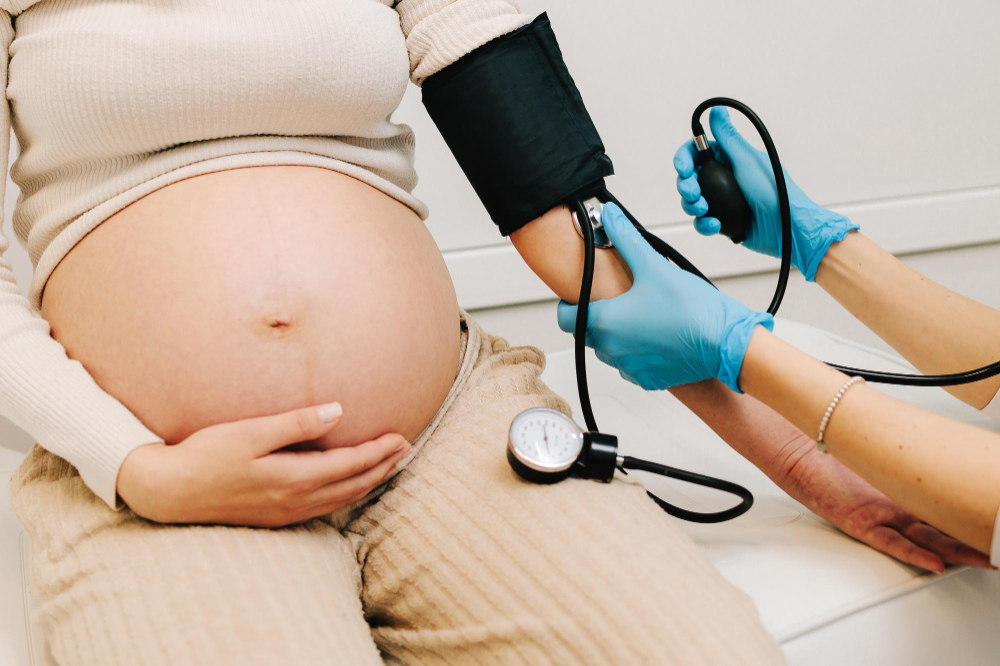
Doctors use several methods to diagnose pre-eclampsia. First, they check your blood pressure at every prenatal visit. If it is high, they may do more tests, such as:
Because early diagnosis can help prevent complications, it is important to attend all prenatal appointments.
Treatment Options
Treatment for pre-eclampsia depends on how severe it is and how far along the pregnancy is. Some common treatments include:
Because pre-eclampsia can get worse quickly, doctors may recommend delivering the baby early, even if it is before the due date.
Prevention and Lifestyle Tips
While pre-eclampsia cannot always be prevented, some steps may lower your risk. For example:
Because some risk factors cannot be changed, regular care is still important for every pregnant woman.
When to See a Doctor
If you notice any signs of pre-eclampsia, such as swelling, headaches, or vision changes, contact your doctor right away. Even if you feel fine, regular checkups are important. Early treatment can help protect both you and your baby.
Frequently Asked Questions FAQ
Conclusion
Pre-eclampsia is a serious but manageable condition during pregnancy. Because early care can make a big difference, it is important to know the symptoms and attend all checkups. If you have any concerns or notice warning signs, consult a healthcare professional at Sri Lakshmi Hospital for personalized advice on pre-eclampsia.