
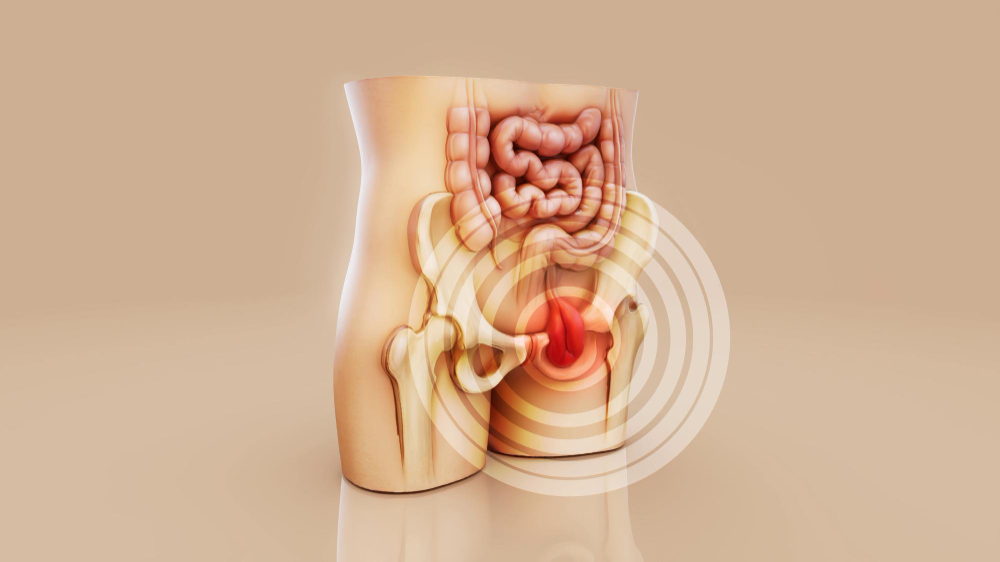
Types of Hernias: A Complete Guide for the General Public

Introduction to Hernias

Many people have heard about hernias, but not everyone knows what they are. A hernia happens when an organ or tissue pushes through a weak spot in the muscle or tissue wall. There are different types of hernias, and each type can affect your health in unique ways. In this guide, you will learn about the types of hernias, their symptoms, causes, diagnosis, treatment options, and how to prevent them.

Common Types of Hernias in Obstetrics and Gynecology

Several types of hernias are important in women’s health. Each type has its own features and risks. Let’s look at the most common ones:

  • Inguinal Hernia: This type forms in the groin area. It is more common in men but can also affect women, especially during pregnancy.
  • Femoral Hernia: This hernia appears just below the groin. Women are more likely to get femoral hernias than men.
  • Umbilical Hernia: This type occurs near the belly button. It often affects newborns, pregnant women, and those who are overweight.
  • Incisional Hernia: This hernia can develop at the site of a previous surgery. Women who have had abdominal surgery, like a C-section, are at higher risk.
  • Hiatal Hernia: This type happens when part of the stomach moves up into the chest through the diaphragm. It can cause heartburn and other symptoms.
  • Symptoms and Warning Signs

    Hernia symptoms can vary by type. However, some signs are common to most hernias. For example, you may notice a bulge or swelling in the affected area. Here are symptoms for each type:

  • Inguinal and Femoral Hernias: A lump in the groin or upper thigh, pain when lifting, or discomfort when bending.
  • Umbilical Hernia: A bulge near the belly button, which may become more noticeable when coughing or straining.
  • Incisional Hernia: Swelling or pain at the site of a past surgical scar, especially when standing or lifting.
  • Hiatal Hernia: Heartburn, chest pain, trouble swallowing, or a feeling of fullness after eating.
  • Sometimes, a hernia can become trapped or blocked. This is called a strangulated hernia and is a medical emergency. Watch for severe pain, redness, vomiting, or fever. If you notice these signs, seek help right away.

    Common Causes and Risk Factors

    Hernias can develop for many reasons. Often, they are caused by a mix of muscle weakness and strain. Here are some common causes and risk factors:

  • Heavy lifting or sudden physical effort
  • Chronic coughing or sneezing
  • Obesity or being overweight
  • Pregnancy, which puts extra pressure on the abdomen
  • Previous abdominal surgery
  • Family history of hernias
  • Constipation or straining during bowel movements
  • Because some risk factors, like pregnancy or surgery, are more common in women, hernias are an important concern in obstetrics and gynecology.

    How Are Hernias Diagnosed?

    Doctors use several methods to diagnose hernias. First, they will ask about your symptoms and medical history. Next, they will do a physical exam. Sometimes, you may need imaging tests, such as:

  • Ultrasound: Uses sound waves to create images of the inside of your body.
  • CT Scan: Gives detailed pictures of your organs and tissues.
  • MRI: Uses magnets and radio waves to show soft tissues.
  • These tests help your doctor see the hernia and plan the best treatment.

    Treatment Options for Each Hernia Type

    Treatment depends on the type and size of the hernia, as well as your overall health. Here are common treatment options:

  • Watchful Waiting: Small hernias that do not cause symptoms may just be monitored.
  • Lifestyle Changes: Losing weight, avoiding heavy lifting, and treating coughs can help.
  • Medications: For hiatal hernias, medicines can reduce stomach acid and ease symptoms.
  • Surgery: Most hernias need surgery to repair the weak spot. There are two main types:
  • Open Surgery: The surgeon makes a cut to fix the hernia.
  • Laparoscopic Surgery: Small cuts and a camera are used for a quicker recovery.
  • Your doctor will help you choose the best option based on your needs.

    Prevention Tips and Lifestyle Guidance

    While not all hernias can be prevented, you can lower your risk by following these tips:

  • Maintain a healthy weight
  • Eat a balanced diet with plenty of fiber
  • Exercise regularly, but avoid heavy lifting
  • Use proper lifting techniques
  • Treat chronic coughs and avoid straining
  • See your doctor if you notice any bulges or pain
  • By making these changes, you can protect your health and lower your risk of hernias.

    Summary

    In summary, hernias are common and can affect anyone. Knowing the types of hernias, their symptoms, causes, and treatment options helps you stay informed. Early diagnosis and proper care are important for the best outcome.

    Experiencing hernia symptoms or discomfort? Consult Sri Lakshmi Hospital for expert evaluation and treatment.