
Introduction
Spleen removal surgery, also called splenectomy, is a procedure to take out the spleen. The spleen is an organ in your upper left belly. It helps fight infection and filters blood. Sometimes, doctors must remove the spleen due to illness or injury. In this blog, you will learn what spleen removal surgery involves, why it is needed, and what to expect during recovery. We will also discuss spleen removal risks and life after spleen removal.
What Is Spleen Removal Surgery?
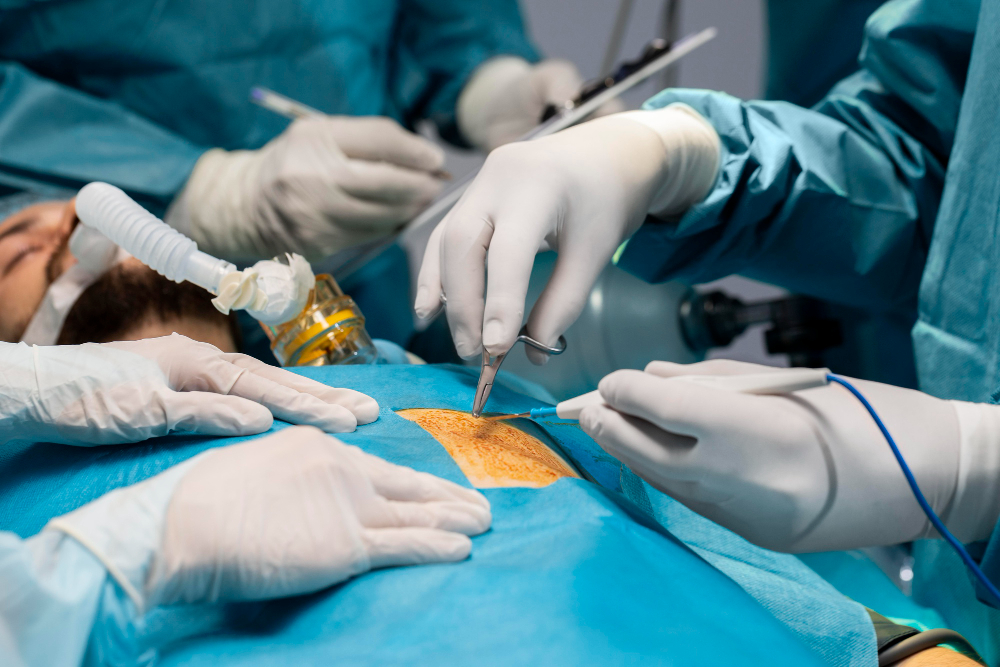
Spleen removal surgery is a medical procedure to take out the spleen. Doctors may use open surgery or a less invasive method called laparoscopy. In laparoscopy, small cuts and a camera help guide the surgery. Both methods aim to remove the spleen safely. The choice depends on your health and the reason for surgery. Most people recover well, but the spleen has important roles, so care is needed after surgery.
Reasons for Spleen Removal
Doctors may suggest spleen removal for several reasons. Common causes include:
Sometimes, the spleen traps or destroys too many blood cells. In these cases, removing it can help.
Symptoms and Diagnosis Leading to Surgery
Many people do not notice spleen problems at first. However, some signs may include:
Doctors use blood tests, scans, and physical exams to check the spleen. If tests show serious problems, surgery may be needed.
How the Surgery Is Performed
Doctors can remove the spleen in two main ways:
Before surgery, you may need vaccines to prevent infections. The operation usually takes one to three hours. Most people stay in the hospital for a few days.
Risks and Possible Complications
Like all surgeries, spleen removal has risks. Some possible complications include:
Because the spleen helps fight germs, you may get sick more easily after it is removed. However, doctors can help you lower these risks with vaccines and antibiotics. According to the CDC, people without a spleen should watch for signs of infection and seek care quickly.
Recovery and Aftercare
Splenectomy recovery time varies. Most people return to normal activities in four to six weeks. However, some may need more time. After surgery, you may feel tired and sore. It is important to:
With proper care, most people heal well. Still, you should keep in touch with your doctor during recovery.
Lifestyle Tips and Prevention After Surgery
Life after spleen removal may require some changes. To stay healthy, you should:
With these steps, you can lower your risk of serious infections and enjoy a healthy life.
Frequently Asked Questions
For personalized guidance on spleen removal surgery, consult a specialist at Sri Lakshmi Hospital. Your doctor can answer your questions and help you plan for a safe recovery.