
Introduction
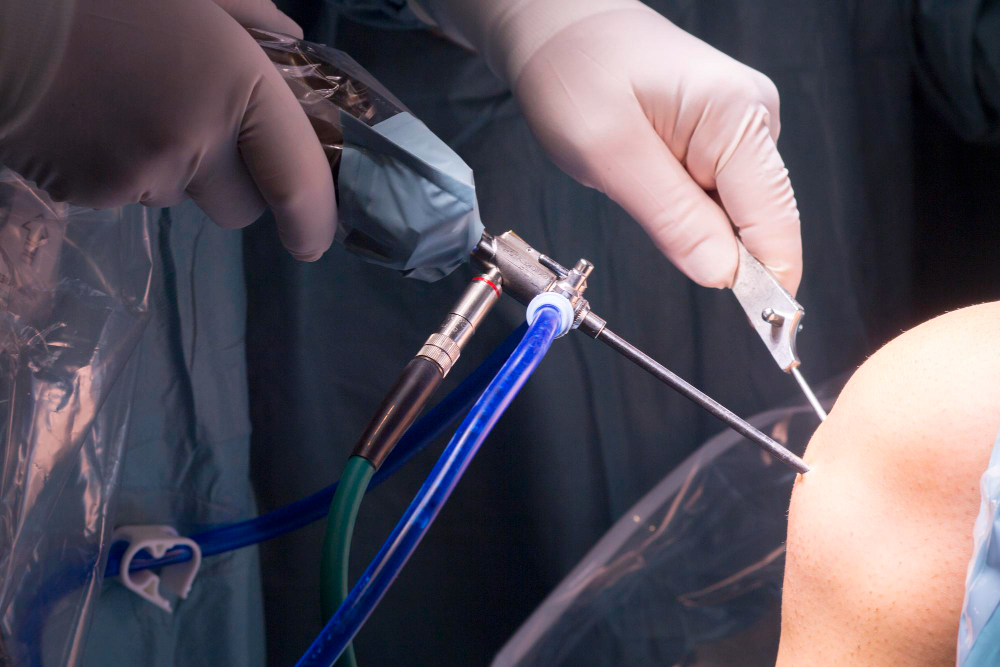
Shoulder arthroscopy is a minimally invasive shoulder surgery. Doctors use it to look inside your shoulder joint and treat many problems. Instead of making a large cut, they use small tools and a camera. This means less pain and a faster recovery for most people. Many patients choose shoulder arthroscopy because it helps fix shoulder pain and improves movement. If you have ongoing shoulder issues, this procedure may help you feel better.
Symptoms and Conditions Treated by Shoulder Arthroscopy
Doctors use shoulder arthroscopy to treat several shoulder problems. Often, it helps when other treatments do not work. Common symptoms and conditions include:
Because shoulder arthroscopy is less invasive, it is often used to treat these issues with less risk and a quicker recovery.
Causes and Indications for the Procedure
Many things can cause shoulder problems. For example, sports injuries, falls, or repeated movements may damage the shoulder. Sometimes, age-related wear and tear leads to pain or weakness. Doctors may suggest shoulder arthroscopy if:
In many cases, this surgery is the best way to fix the problem and help you return to daily activities.
Diagnosis and When Shoulder Arthroscopy Is Recommended
Doctors start by asking about your symptoms and doing a physical exam. Next, they may order tests like X-rays or MRI scans. These tests help find the exact cause of your shoulder pain. If the problem is inside the joint and does not improve with rest or therapy, your doctor may recommend shoulder arthroscopy. Usually, this decision is made after trying other treatments first.
The Shoulder Arthroscopy Procedure: Step-by-Step Overview
Shoulder arthroscopy is usually done as an outpatient procedure. This means you can go home the same day. Here is what you can expect:
Because the cuts are small, you usually heal faster than with open surgery.
Recovery Process and Timeline
After shoulder arthroscopy, recovery time varies. However, most people can return to light activities within a week or two. Here is a general timeline:
Because every person is different, your doctor will give you a plan that fits your needs. Following instructions helps you heal faster and avoid problems.
Risks, Benefits, and Possible Complications
Shoulder arthroscopy has many benefits. For example, it uses small cuts, so there is less pain and scarring. Recovery is often quicker than with open surgery. However, like any surgery, there are risks. Possible complications include:
Most people recover well and see improved shoulder function. Still, it is important to discuss shoulder arthroscopy risks with your doctor before surgery. The benefits often outweigh the risks, especially when other treatments have failed.
Lifestyle Tips and Prevention of Future Shoulder Issues
After surgery, taking care of your shoulder is important. Here are some tips to help prevent future problems:
By staying active and protecting your shoulder, you can lower the chance of new injuries.
Frequently Asked Questions (FAQs)
Conclusion
Shoulder arthroscopy is a safe and effective way to treat many shoulder problems. Because it is minimally invasive, recovery is often quicker and easier. However, every person is different. Consult an orthopedic specialist at Sri Lakshmi Hospital for personalized advice.