
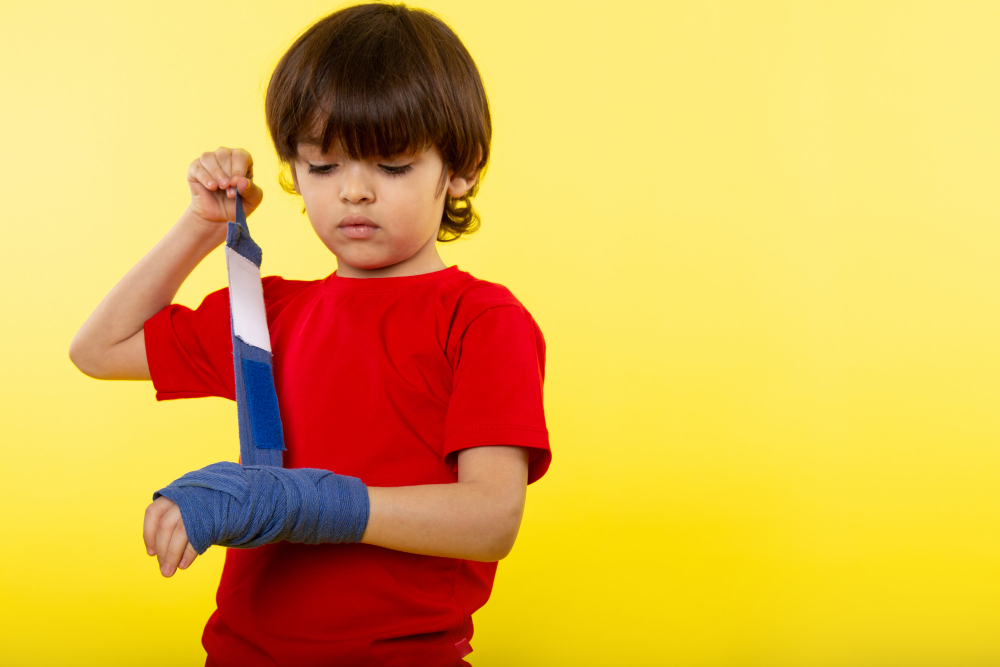
What Are Pediatric Fractures?
Pediatric fractures are broken bones that happen in children. Because kids are active, they often get bone injuries. In fact, pediatric fractures are among the most common injuries in childhood. Unlike adults, children’s bones are still growing. This means their bones can bend or break in different ways. Sometimes, these injuries are called broken bones in children. Knowing the signs and how to treat fractures in kids is important for parents and caregivers.
Common Symptoms of Pediatric Fractures
It is not always easy to spot a fracture in a child. However, certain signs can help you know if a bone might be broken. For example, you may notice:
Sometimes, a child may not be able to explain their pain. Therefore, watch for changes in how they move or act. If you see any of these signs of broken bones in kids, seek medical help.
Causes and Risk Factors
Children break bones for many reasons. Most often, falls during play or sports cause pediatric fractures. In addition, accidents at home or school can lead to injuries. Some common causes include:
Moreover, certain risk factors can make fractures more likely. For instance, children with weak bones or certain medical conditions may be at higher risk. Boys tend to have more fractures than girls, likely due to higher activity levels.
How Pediatric Fractures Are Diagnosed
Doctors use several steps to diagnose pediatric fractures. First, they ask about how the injury happened. Next, they check the child’s symptoms and examine the injured area. Often, an X-ray is needed to see the bone clearly. In some cases, other tests like MRI or CT scans may help. These tests show the type and location of the fracture. Early diagnosis is important for proper child fracture treatment and pediatric bone healing.
Treatment Options for Pediatric Fractures
Treatment depends on the type and location of the fracture. Most pediatric fractures heal well with simple care. Common treatments include:
Because children’s bones heal faster than adults, most kids recover quickly. However, follow the doctor’s advice for the best results. Always ask about how to treat fractures in kids safely at home.
Recovery and Home Care Tips
After treatment, proper care helps bones heal well. Here are some tips for home care and recovery:
In addition, a healthy diet with enough calcium and vitamin D supports bone healing. If you notice any problems, contact your doctor right away.
Prevention of Pediatric Fractures
While not all fractures can be prevented, some steps lower the risk. For example:
With these steps, you can help protect your child from bone injuries.
If you suspect your child has a fracture, consult a pediatric specialist at SRI LAKSHMI HOSPITAL for personalized care. Early treatment helps ensure the best recovery for your child.