
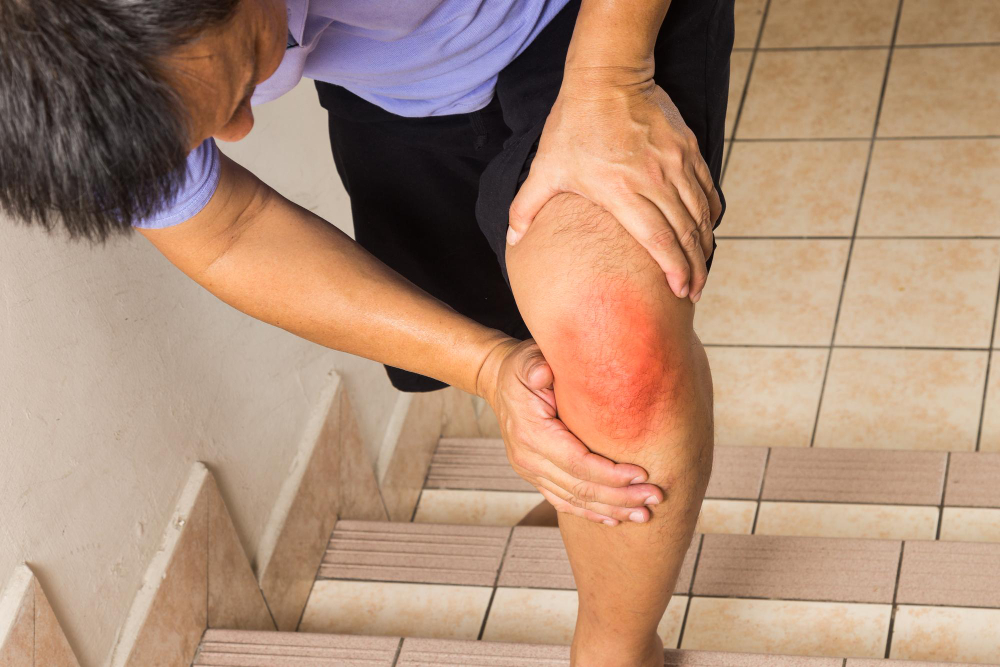
Introduction to Meniscus Tears
Meniscus tears are common knee injuries. The meniscus is a piece of cartilage in your knee. It acts like a cushion between your thighbone and shinbone. When this cartilage tears, it can cause pain and swelling. Many people with meniscus tears feel discomfort during daily activities. Because these injuries are common, it is important to know the signs and treatment options. Early care can help prevent further damage. Orthopedic care for meniscus injuries can make a big difference in recovery.
Symptoms of Meniscus Tears
Meniscus tear symptoms can vary. However, most people notice pain and swelling in the knee. Sometimes, the knee may feel stiff or locked. You might also hear a popping sound when the injury happens. Over time, the knee may feel weak or unstable. If you notice these signs, it is wise to rest your knee and seek help.
Causes and Risk Factors
Meniscus tears often happen during sports or sudden movements. For example, twisting or turning quickly while the foot is planted can cause a tear. Older adults can also get meniscus tears from wear and tear over time. In addition, lifting heavy objects or squatting deeply can increase the risk. Some people are more likely to get meniscus tears due to their age or activity level.
Diagnosis of Meniscus Tears
Doctors use several methods to diagnose meniscus tears. First, they ask about your symptoms and how the injury happened. Next, they examine your knee for swelling and movement. Sometimes, special tests help check for pain or locking. In many cases, doctors order imaging tests. For example, an MRI scan can show the tear clearly. X-rays may also be used to rule out other problems. If you wonder how to diagnose meniscus tear, a visit to an orthopedic specialist is best.
Treatment Options
Meniscus tear treatment depends on the size and location of the tear. Some tears heal on their own with rest and care. Others may need surgery. Non-surgical treatments are often tried first. For example, rest, ice, and elevation can reduce swelling. Physical therapy helps strengthen the knee. Doctors may also suggest pain medicine. However, if the tear is large or causes locking, surgery may be needed. Arthroscopic surgery is a common method. It uses small tools to repair or remove the damaged part. After surgery, physical therapy helps you recover faster.
Prevention and Lifestyle Tips
Although not all meniscus tears can be prevented, some steps can lower your risk. First, always warm up before exercise. In addition, use proper techniques during sports and lifting. Wearing the right shoes can also help. If you feel knee pain, take a break and rest. Strengthening your leg muscles supports the knee. Finally, keep a healthy weight to reduce stress on your joints.
When to See an Orthopedic Specialist
If you have knee pain that does not improve, it is time to see a doctor. Especially if your knee locks, swells, or feels unstable, seek help. An orthopedic specialist can provide expert care for meniscus injuries. Early treatment can prevent further damage and speed up recovery. Do not ignore ongoing pain or swelling in your knee.
In summary, meniscus tears are common but treatable. With the right care, most people recover well. Consult an orthopedic specialist at Sri Lakshmi Hospital for personalized advice on meniscus tears.