
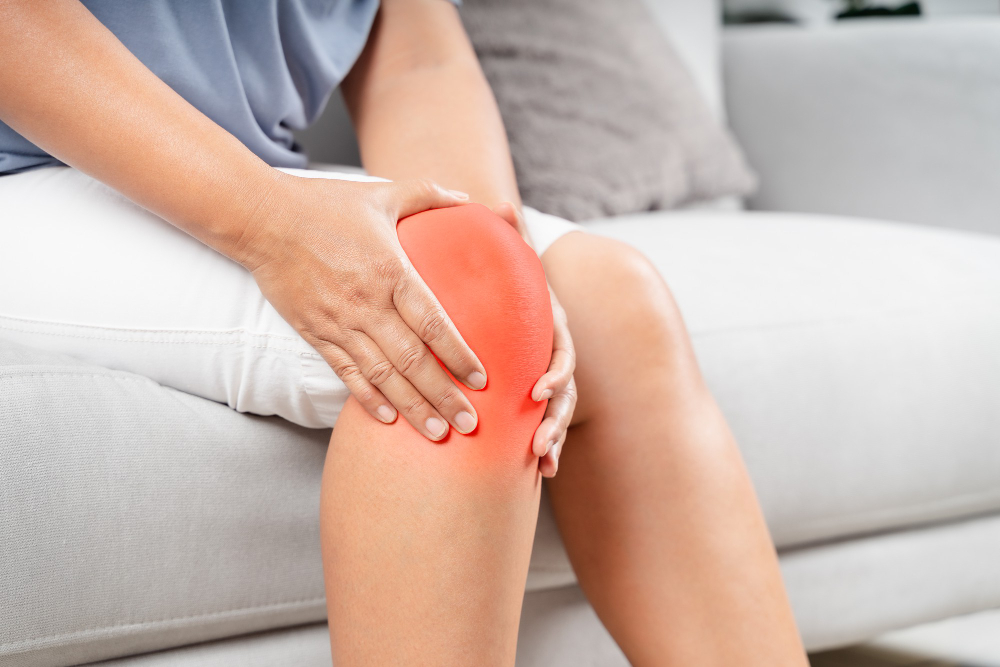
What Is a Meniscus Tear?
A meniscus tear is a common knee injury. The meniscus is a piece of cartilage in your knee. It acts like a cushion between your thighbone and shinbone. When you twist your knee suddenly, this cartilage can tear. Many people with a meniscus tear feel pain and swelling. Sometimes, the knee may even lock or catch. While some minor tears heal with rest, others need more care. Understanding this injury helps you know when to seek help.
Common Symptoms of a Meniscus Tear
After a knee injury, it is important to watch for signs of a meniscus tear. Early treatment can help prevent more damage. Common symptoms include:
However, not everyone has all these symptoms. If your knee pain does not improve, you should see a doctor.
Causes and Risk Factors
Most meniscus tears happen during activities that cause the knee to twist. For example, sports like soccer, basketball, or tennis often lead to this injury. But, you do not have to be an athlete to tear your meniscus. Everyday actions, such as standing up quickly or squatting, can also cause a tear. As people age, the meniscus weakens and tears more easily. Other risk factors include:
Because of these risks, it is wise to protect your knees during activity.
How Meniscus Tears Are Diagnosed
When you visit a doctor for knee pain, they will ask about your injury. They may gently move your knee to check for pain or catching. Often, doctors use imaging tests to confirm a meniscus tear. These may include:
Sometimes, doctors use other tests to check for knee injuries. Early diagnosis helps you get the right treatment and avoid more problems. According to the American Academy of Orthopaedic Surgeons, MRI is the best way to see a meniscus tear.
Treatment Options for Meniscus Tears
Treatment depends on the size and location of the tear. For minor tears, rest and home care may be enough. However, some tears need more help. Common treatment options include:
For many people, non-surgical care works well. But, if your knee keeps locking or hurting, surgery may be needed. Your orthopedic specialist will guide you.
Recovery and Lifestyle Tips
After a meniscus tear, recovery takes time. But, you can speed healing with good habits. For example, follow your doctor’s advice and attend all therapy sessions. Other helpful tips include:
As you heal, listen to your body. If pain returns, slow down and rest. Most people return to normal activities in a few weeks to months. However, severe tears may take longer.
Prevention: Protecting Your Knees
While not all meniscus tears can be prevented, you can lower your risk. Simple steps help keep your knees healthy. For instance, always warm up before exercise. In addition, try these tips:
By taking care of your knees, you can stay active and avoid injury.
In summary, a meniscus tear is a common knee injury that may need more than rest. If you have knee pain, swelling, or trouble moving your knee, do not wait. Consult an orthopedic specialist at Sri Lakshmi Hospital for personalized advice on meniscus tears.