
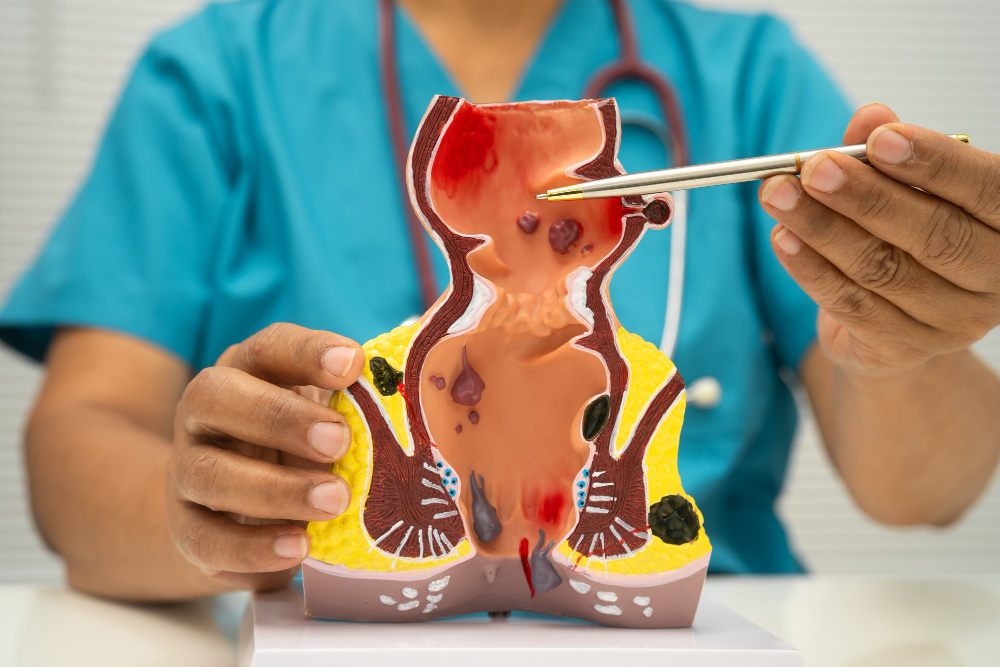
Many people feel nervous about hemorrhoids surgery. However, knowing what to expect can help you feel more at ease. Hemorrhoids surgery is a common treatment for severe or painful hemorrhoids. In this blog, you will learn about the reasons for surgery, recovery tips, and how to prevent hemorrhoids after surgery. We will also cover different types of procedures, including minimally invasive hemorrhoid surgery. This information is based on trusted sources like the CDC and peer-reviewed journals.
What Are Hemorrhoids?
Hemorrhoids are swollen veins in the lower part of the rectum or anus. Sometimes, they cause pain, itching, or bleeding. For many people, hemorrhoids go away with home care. However, in some cases, they become large or very painful. Both internal and external hemorrhoids can cause discomfort. According to the CDC, hemorrhoids are a common problem, especially in adults over 50.
When Is Surgery Needed for Hemorrhoids?
Most people do not need surgery for hemorrhoids. Still, your doctor may suggest surgery if:
In some cases, surgery is the best way to get relief. Your doctor will help you decide if it is right for you.
Types of Hemorrhoids Surgery
There are several types of hemorrhoids surgery. Each has its own benefits and risks. Your doctor will choose the best option for your needs. Some common types include:
For people living in larger cities, more options for minimally invasive hemorrhoid surgery may be available. Always ask your doctor about the best choice for your location and needs.
How to Prepare for Hemorrhoids Surgery
Proper preparation helps make surgery and recovery smoother. Before your procedure, your doctor may ask you to:
Because each person is different, your doctor will give you specific steps to follow. Always ask questions if you are unsure about anything.
What Happens During Hemorrhoids Surgery?
During hemorrhoids surgery, you will receive anesthesia to keep you comfortable. The type of anesthesia depends on the procedure. For example, some surgeries use local anesthesia, while others use general anesthesia. The surgeon will remove or treat the hemorrhoids using special tools. Most surgeries take less than an hour. After the procedure, you will rest in a recovery area until you are ready to go home.
Recovery After Hemorrhoids Surgery
After surgery, you may feel sore or notice some bleeding. However, most people start to feel better within a few days. To help with recovery, follow these hemorrhoidectomy recovery tips:
Because everyone heals at a different pace, always follow your doctor’s advice. If you notice fever, severe pain, or heavy bleeding, contact your doctor right away. According to the American Society of Colon and Rectal Surgeons, most people return to normal activities within two weeks.
Risks and Possible Complications
Like any surgery, hemorrhoids surgery has some risks. While most people recover without problems, possible complications include:
Because these risks are uncommon, your doctor will explain how to watch for warning signs. If you have other health conditions, discuss them with your doctor before surgery.
Tips for Prevention After Surgery
After surgery, many people want to know how to prevent hemorrhoids from coming back. Here are some helpful tips:
Because prevention is key, these steps can help reduce your risk of future problems. For more guidance on how to prevent hemorrhoids after surgery, talk with your healthcare provider. The CDC and World Health Organization both recommend healthy eating and regular activity as important steps for overall bowel health.