
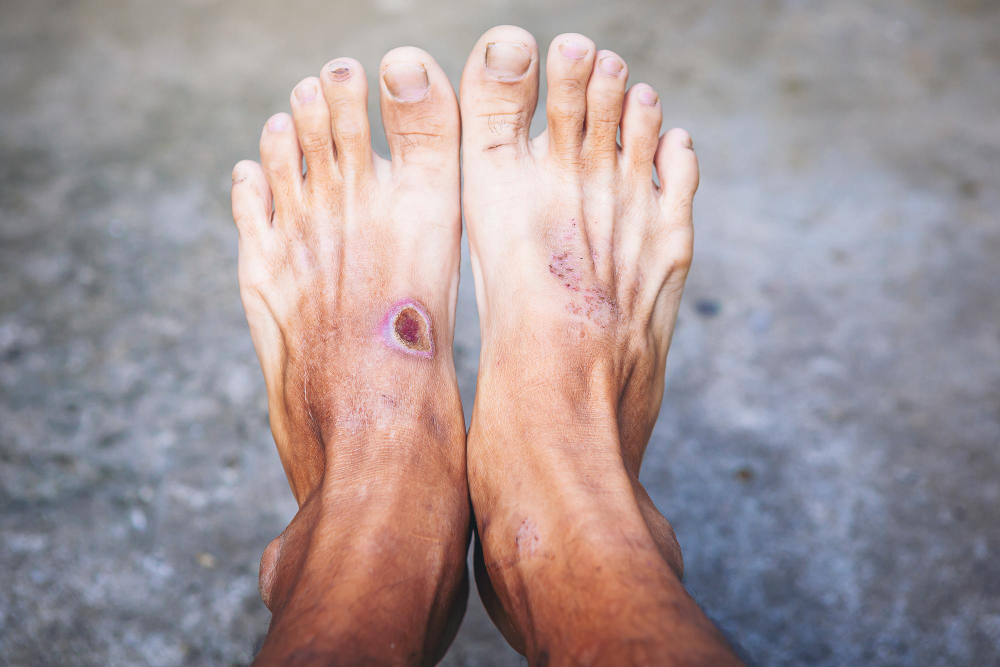
Introduction to Diabetic Foot Care
Diabetic foot care is very important for people with diabetes. Because diabetes can affect blood flow and nerves in your feet, you may not feel injuries or notice infections early. As a result, small problems can become serious if not treated. Good foot care helps prevent these issues and keeps your feet healthy. According to the CDC, regular foot checks can lower your risk of serious foot problems.
Common Symptoms and Warning Signs
It is important to watch for early signs of diabetic foot problems. For example, you may notice:
If you see any of these signs, you should act quickly. Early treatment can prevent serious problems.
Causes and Risk Factors
Diabetic foot problems often happen because of poor blood flow and nerve damage. These issues are common in people with high blood sugar for a long time. However, other risk factors include:
Because these factors increase your risk, it is important to manage your health and check your feet daily.
Diagnosis and When to Seek Medical Help
If you have diabetes, regular foot exams are key. Your doctor will check for nerve damage, blood flow, and skin changes. Sometimes, they may use simple tests to check how well you feel touch or pressure. If you notice a sore, infection, or change in your foot, seek medical help right away. Early care can stop problems from getting worse.
Treatment Options for Diabetic Foot
Treatment depends on the problem. For minor issues, your doctor may suggest:
For more serious problems, surgery may be needed. This can include removing dead tissue or fixing bone problems. In rare cases, amputation may be needed to save your life. However, most foot problems can be managed if caught early.
Daily Foot Care Tips and Lifestyle Guidance
Good daily habits can help prevent diabetic foot problems. For example, you should:
In addition, keep your blood sugar, blood pressure, and cholesterol under control. These steps lower your risk of foot problems.
Prevention Strategies
Preventing diabetic foot problems is possible with simple steps. For instance:
If you live in a hot or humid area, keep your feet dry to prevent fungal infections. In cold climates, wear warm socks and shoes to avoid frostbite.
When to Consult a Specialist
If you notice any foot changes, do not wait. For example, see a specialist if you have:
Early care from a podiatrist or diabetes specialist can prevent serious problems. Because your feet are important, regular check-ups are a smart choice.
Conclusion
In summary, diabetic foot care is essential for people with diabetes. With daily care and regular check-ups, you can prevent most problems. If you notice any changes, consult a specialist at Sri Lakshmi Hospital for personalized diabetic foot care guidance.