
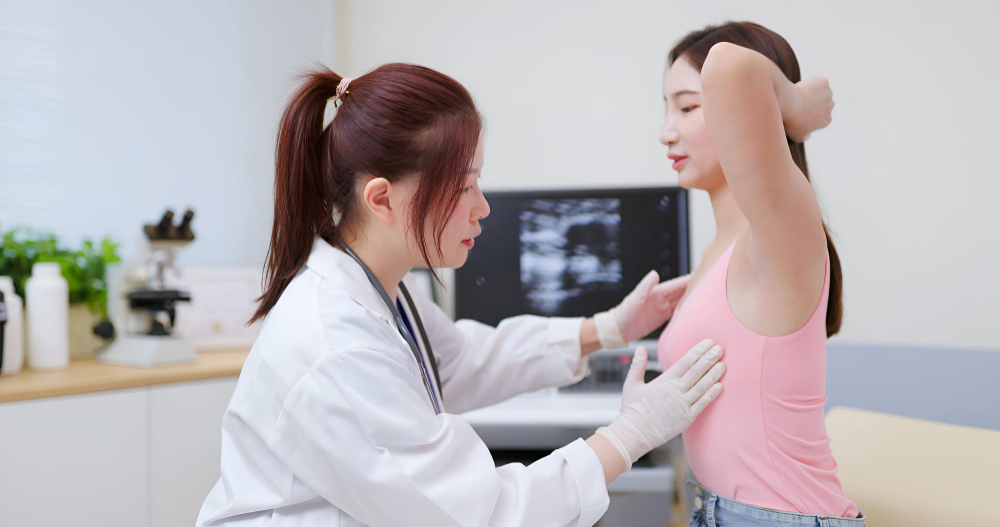
What is Fibroadenoma?
Fibroadenoma is a common, non-cancerous breast lump. Many women find these lumps during self-exams or routine check-ups. Usually, fibroadenomas feel smooth, firm, and move easily under the skin. Although they can cause worry, most fibroadenomas are harmless. In fact, they are one of the most frequent benign breast lumps in women under 35. However, women of any age can develop them.
Common Symptoms of Fibroadenoma
Most fibroadenomas do not cause pain. Still, you may notice certain signs. For example, you might feel a round or oval lump in your breast. This lump often feels rubbery and moves when touched. Sometimes, it can be tender, especially before your period. But usually, fibroadenomas do not change the skin or nipple.
Even though most lumps are harmless, it is important to check with a doctor if you notice any new changes.
Causes and Risk Factors
Doctors do not know the exact cause of fibroadenoma. However, hormones seem to play a role. For instance, fibroadenomas are more common during the reproductive years. They may grow during pregnancy or shrink after menopause. Some risk factors include:
Although these factors may increase your risk, anyone can develop a fibroadenoma.
How is Fibroadenoma Diagnosed?
If you find a lump, your doctor will first do a physical exam. Next, they may order tests to learn more. For example, an ultrasound or mammogram can show the size and shape of the lump. Sometimes, a biopsy is needed. During a biopsy, a small sample of tissue is taken and checked under a microscope. This helps confirm that the lump is a fibroadenoma and not something else.
Early diagnosis can give peace of mind and help guide treatment.
Treatment Options for Fibroadenoma
Many fibroadenomas do not need treatment. Often, doctors suggest regular check-ups to watch for changes. However, if the lump grows, causes pain, or looks unusual, removal may be advised. There are several treatment options:
Most women recover quickly after treatment. Still, it is important to follow your doctor’s advice and attend all follow-up visits.
Lifestyle Tips and Self-Care
While you cannot always prevent fibroadenoma, healthy habits can support breast health. For example, you can:
Additionally, wearing a supportive bra may help reduce discomfort. If you notice any new lumps or changes, contact your healthcare provider right away.
Prevention and When to See a Doctor
There is no sure way to prevent fibroadenoma. However, early detection is key. For instance, regular self-exams and doctor visits can help find changes early. You should see a doctor if you:
Remember, most breast lumps are not cancer. Still, it is always best to get checked by a healthcare professional.
Conclusion
In summary, fibroadenoma is a common and usually harmless breast lump. Although it can cause concern, most cases do not need treatment. However, regular check-ups and self-care are important. If you have questions or notice changes, consult a healthcare specialist at Sri Lakshmi Hospital for personalized advice about fibroadenoma.