
What is Knee Arthroscopy?
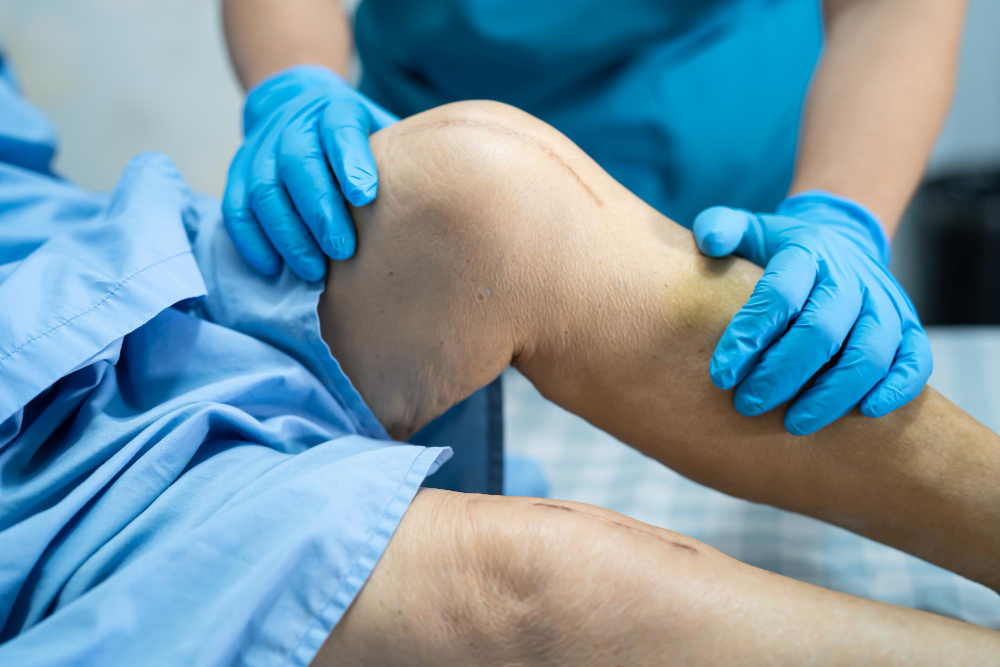
Knee arthroscopy is a minimally invasive knee surgery. Doctors use a small camera, called an arthroscope, to look inside your knee. Because of this, they can see and treat many knee problems without making large cuts. Most people recover faster from arthroscopic knee procedures than from open surgery. This method is common in many hospitals and clinics.
Common Symptoms Leading to Knee Arthroscopy
Many people have knee pain or swelling. Sometimes, these symptoms do not improve with rest or medicine. In such cases, doctors may suggest knee arthroscopy. Common symptoms that may lead to this procedure include:
Because these symptoms can affect daily life, it is important to seek medical advice.
Causes and Indications for the Procedure
Doctors may recommend knee arthroscopy for several reasons. Often, it helps diagnose and treat knee problems that do not show up on X-rays or scans. Common causes and indications include:
Because knee arthroscopy is less invasive, it is often chosen over open surgery for these issues.
Diagnosis and When to Consider Knee Arthroscopy
Doctors use several steps to decide if knee arthroscopy is needed. First, they ask about your symptoms and medical history. Next, they examine your knee. Often, they order tests such as X-rays or MRI scans. If these tests do not give clear answers, or if symptoms do not improve, knee arthroscopy may be considered. In many cases, this procedure helps both diagnose and treat the problem at the same time.
The Knee Arthroscopy Procedure: What to Expect
Before the procedure, you will get instructions from your doctor. Usually, knee arthroscopy is done as an outpatient surgery. This means you can go home the same day. During the procedure:
Because the cuts are small, recovery is usually quicker than with open surgery.
Recovery and Aftercare Tips
After knee arthroscopy, most people recover within a few weeks. However, recovery time can vary. To help your knee heal, follow these tips:
Because every person heals differently, always follow your doctor’s instructions. For more details, see resources from the CDC and orthopedic journals.
Risks and Potential Complications
Knee arthroscopy is generally safe. However, like any surgery, it has some risks. Possible complications include:
Although these problems are rare, it is important to contact your doctor if you notice anything unusual.
Prevention and Lifestyle Guidance
While not all knee problems can be prevented, you can lower your risk by taking care of your joints. Here are some tips:
Because healthy habits can protect your knees, start making small changes today.
Consult an orthopedic specialist at Sri Lakshmi Hospital for personalized advice on knee arthroscopy.