
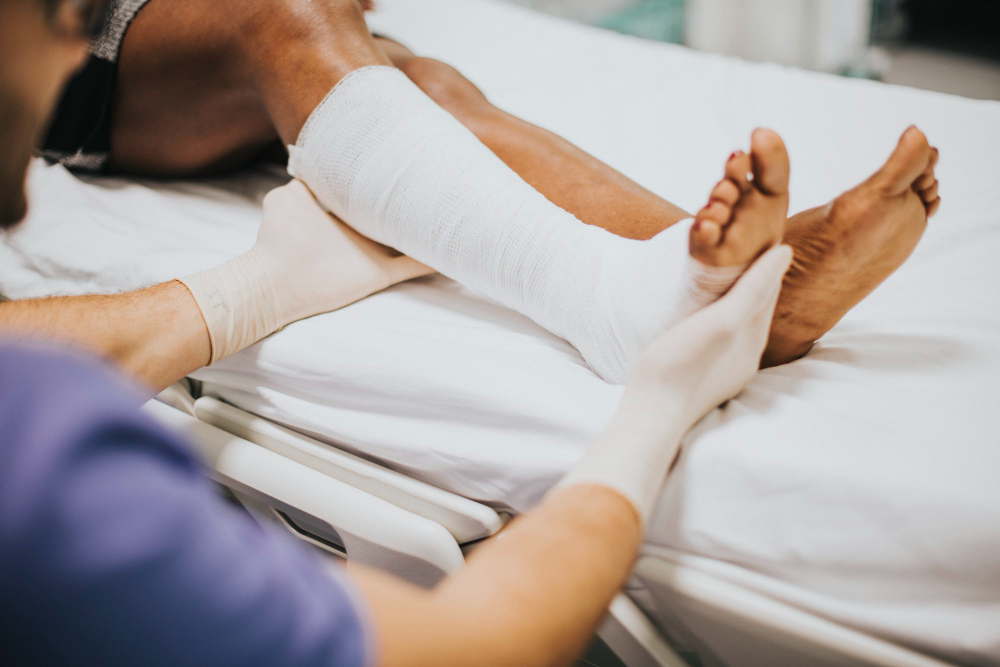
What Are Fracture Related Infections?
Fracture related infections happen when germs enter a broken bone or the area around it. This can occur after an injury or surgery. Sometimes, people call this a bone infection after fracture or orthopedic infection. These infections can slow healing and cause pain. Early treatment is important to prevent serious problems. In many cases, doctors can help manage these infections with the right care.
Common Causes of Fracture Related Infections
Many things can lead to fracture related infections. Often, bacteria are the main cause. These germs can enter the body in several ways. For example, they may get in during an accident or surgery. Sometimes, germs travel through the blood from another part of the body. In addition, certain risk factors make infections more likely.
Because of these risks, doctors take extra care to keep wounds clean and use sterile tools. In some places, like crowded cities or areas with limited healthcare, infection risks may be higher.
Signs and Symptoms to Watch For
It is important to know the signs of fracture related infections. Early symptoms may be mild, but they can get worse quickly. If you notice any of these signs, you should contact your doctor right away.
Sometimes, symptoms appear days or even weeks after the injury. Therefore, keep watching for changes as you heal.
How Are Fracture Related Infections Diagnosed?
Doctors use several steps to diagnose fracture related infections. First, they will ask about your symptoms and check the injury. Next, they may order tests to look for signs of infection. These tests help find the cause and guide treatment.
With these tests, doctors can find out if bacteria are present. They can also see how much the infection has spread. Early diagnosis helps prevent long-term problems.
Treatment Options for Fracture Related Infections
Treating fracture related infections usually involves several steps. The main goal is to remove the infection and help the bone heal. Doctors may use one or more of the following treatments:
In some cases, treatment may take weeks or months. However, most people recover well with proper care. If you live in a rural area, you may need to travel to a hospital for advanced treatment.
Tips for Prevention and Recovery
There are steps you can take to lower your risk of fracture related infections. Good habits can also help you recover faster if you do get an infection.
Additionally, regular check-ups with your doctor can help catch problems early. If you have diabetes or other health issues, manage them well to reduce your risk.
If you suspect a fracture-related infection, consult an orthopedic specialist for personalized care and guidance.
Early intervention can prevent further complications and ensure proper healing. Visit Sri Lakshmi Hospital for expert evaluation and treatment.
Schedule your consultation today!
We’re here to provide the care you need to recover fully.