
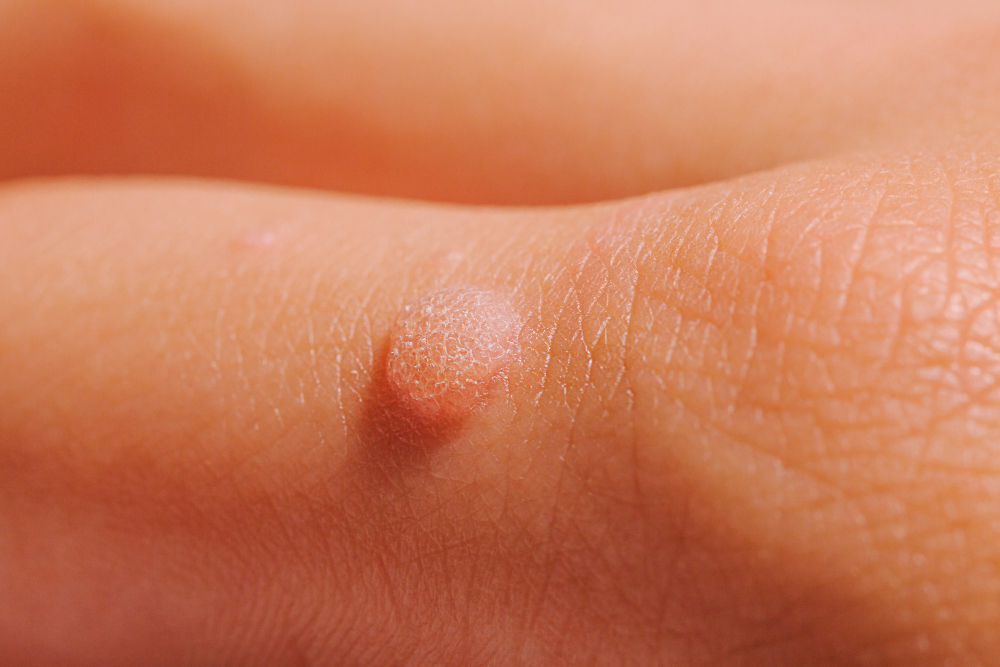
What is an Inclusion Cyst?
An inclusion cyst is a small, round lump that forms under the skin. It often feels smooth and can move slightly when touched. Usually, it is not painful. However, sometimes it can become red or swollen. Inclusion cysts are also called epidermoid or epidermal cysts. They are common and can appear anywhere on the body. Most often, they show up on the face, neck, or trunk. Although these cysts are not dangerous, they can be bothersome or unsightly.
Common Causes of Inclusion Cysts
Inclusion cysts form when skin cells get trapped under the surface. Normally, these cells move up and shed off. But sometimes, they go deeper and create a sac. This sac fills with a soft, cheese-like material. There are several reasons why this can happen:
For example, people who shave often or have acne may be more likely to get inclusion cysts. In some cases, no clear cause is found.
Signs and Symptoms
Inclusion cyst symptoms are usually easy to spot. Still, it is important to know what to look for. Common signs include:
Sometimes, the cyst can leak a thick, white material. If it becomes infected, you may notice warmth or pus. However, most inclusion cysts do not cause pain.
How Inclusion Cysts are Diagnosed
Doctors can usually diagnose an inclusion cyst by looking at it. They may ask about your symptoms and how long the lump has been there. In most cases, no special tests are needed. However, if the cyst looks unusual or grows quickly, your doctor may suggest further tests. These can include:
These steps help rule out other skin problems. According to the American Academy of Dermatology, most inclusion cysts are harmless and easy to identify.
Treatment Options for Inclusion Cysts
Many inclusion cysts do not need treatment. But if the cyst is painful, infected, or bothersome, there are several options. Inclusion cyst treatment may include:
It is important not to squeeze or pop the cyst at home. Doing so can cause infection or scarring. Only a trained healthcare provider should remove a cyst. In some cases, the cyst may come back after removal.
Prevention and Self-Care Tips
While you cannot always prevent inclusion cysts, some steps may help lower your risk. Try these self-care tips:
For people living in humid or hot areas, keeping the skin cool and dry is especially helpful. This can reduce the chance of blocked pores.
When to See a Doctor
Most inclusion cysts are not serious. However, you should see a doctor if:
Early treatment can prevent problems. If you notice a lump or unusual growth, consult a specialist at Sri Lakshmi Hospital for personalized guidance.